
The fascinating journey of gambling from ancient rituals to modern casinos
The Origins of Gambling in Ancient Civilizations
The journey of gambling dates back thousands of years, emerging in ancient civilizations as a practice intertwined with religious rituals and community gatherings. The earliest evidence can be traced to Mesopotamia, where clay tablets revealed games of chance that involved dice. These primitive forms of gambling were often associated with divination, as ancient cultures believed that the outcomes held significant spiritual meanings. In many societies, betting on outcomes became a way to engage with the divine; you can find more information at https://1xbetapp.ie/.

Similarly, ancient Egyptians participated in gambling activities that involved the use of boards and dice, showcasing a communal spirit. These games were not merely entertainment; they were social events that fostered connections within communities. The ancient Greeks also had their own version of gambling, with popular games such as knucklebones, which resembled modern dice games. This period marked the beginning of gambling’s evolution, setting the stage for more structured forms of betting in the future.
As civilizations advanced, so did the complexity of gambling practices. The Chinese developed a variety of betting games during the Shang Dynasty, including the earliest known lottery system. This innovation not only highlighted the popularity of games of chance but also illustrated their role in generating revenue for state projects. Thus, gambling transitioned from a mere pastime to a significant economic activity, laying the groundwork for its eventual commercialization.
The Rise of Gambling in the Middle Ages
The Middle Ages saw gambling flourish across Europe, particularly with the advent of card games. The introduction of playing cards, believed to have originated in China and traveled via trade routes, sparked a new era of gambling. By the 14th century, card games had taken Europe by storm, becoming a favorite pastime among nobility. This period also witnessed the rise of gambling houses, where the affluent could indulge in various games, establishing a precedent for the modern casino.
During this time, gambling was often viewed through a moral lens, leading to varying levels of acceptance and prohibition across different regions. While some authorities condemned gambling as sinful, others recognized its economic potential. The growing popularity of games like backgammon and the establishment of official regulations hinted at the potential for future commercial enterprises in gambling. This duality of perception laid the groundwork for the complex relationship between society and gambling that continues today.
The Middle Ages also marked the inception of betting on competitive events, particularly in the context of sports. From jousts to animal fights, gambling on outcomes became a way for spectators to engage more deeply with the action. This trend illustrated the evolving nature of gambling from purely games of chance to betting on skill-based competitions, signaling a shift in public perception and expanding the gambling landscape.
The Birth of Modern Gambling in the 18th and 19th Centuries
The 18th century heralded a significant transformation in gambling with the establishment of formal casinos. The first recognized casino, the Casino di Venezia, opened its doors in Italy in 1638, paving the way for more sophisticated gambling establishments. These venues introduced a range of games including roulette and blackjack, which quickly gained popularity among the elite. This marked the transition from informal gambling in back rooms to regulated, lavish environments catering to a growing audience.
As the 19th century unfolded, the Industrial Revolution facilitated the proliferation of gambling. With increased mobility and urbanization, people flocked to cities where gambling houses emerged as a staple of entertainment. In the United States, the Gold Rush attracted fortune seekers, leading to the establishment of gaming establishments, particularly in places like New Orleans and later Las Vegas. This era solidified gambling as an integral component of social culture and leisure.
Moreover, the 19th century witnessed the rise of lottery systems as a means for governments to raise revenue. These lotteries often funded public works, showcasing how gambling could serve both recreational and economic purposes. The evolving landscape of gambling during this period not only diversified the types of games available but also cemented its role in shaping societal norms and economic structures.
The Modern Casino Era and Legalization
The 20th century marked a turning point in the gambling industry, characterized by the legalization and regulation of casinos in various regions. The Nevada Gaming Control Board established regulatory frameworks in Las Vegas, transforming it into the gambling capital of the world. This era of legality attracted investments, leading to the development of extravagant casino resorts that catered to a diverse clientele. The glitz and glamour of Las Vegas casinos set a new standard for entertainment, blending gambling with performances, dining, and luxury accommodations.
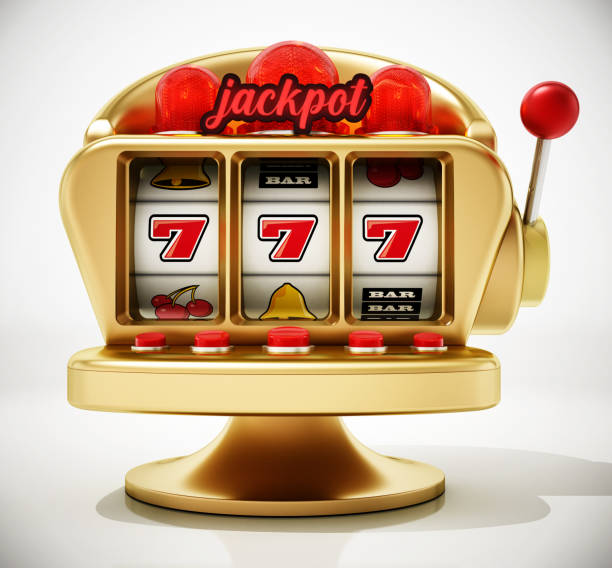
As technology advanced, so too did the methods of gambling. The introduction of slot machines in the early 20th century provided a new avenue for gambling that was accessible to all. These machines quickly became a staple in casinos, offering an enticing and straightforward way for players to engage in gaming. The rise of online gambling in the late 1990s further revolutionized the industry, allowing players to bet from the comfort of their homes. This digital shift opened up a global market, making gambling more accessible than ever before.
With advancements in technology, the gambling industry continued to evolve. Mobile gaming apps and live dealer options emerged, enhancing the player experience and attracting a younger demographic. The social aspect of gambling has also transformed, with online platforms creating virtual communities for players. This dynamic evolution reflects society’s changing attitudes towards gambling, embracing it as a mainstream form of entertainment rather than a taboo activity.
Your Gateway to Modern Gambling
In the contemporary landscape, gambling has become an integral part of leisure and entertainment. Online platforms provide a comprehensive experience, combining various forms of betting from sports to casino games. Players now have the convenience of accessing these options from their mobile devices, ensuring a seamless betting experience. This shift towards digitalization has made it easier than ever for individuals to engage with their favorite games, anytime and anywhere.
Furthermore, the gaming industry continues to innovate, offering exclusive promotions and an extensive range of markets. With features such as live streaming and in-play betting, players can immerse themselves in the action while maximizing their potential for winnings. This ongoing evolution is reflective of both technological advancements and changing consumer preferences, ensuring that the future of gambling remains bright.
As you explore this fascinating world, it’s essential to engage with platforms that prioritize user experience and responsible gaming. The commitment to providing an engaging, secure environment has never been more critical. Whether you are a seasoned player or new to the scene, the modern era of gambling offers exciting opportunities to explore and enjoy.